In today’s world, where technology has seamlessly merged with daily life, smart homes have become the new standard of modern living. But the real challenge for architects and interior designers is no longer about introducing technology—it’s about making it invisible. The most sophisticated homes of 2025 are not filled with blinking gadgets and futuristic screens; they’re homes where innovation hides elegantly within design. From lighting that adjusts with daylight to invisible speakers and automated climate systems, the future of home design is seamless, sustainable, and style-forward.
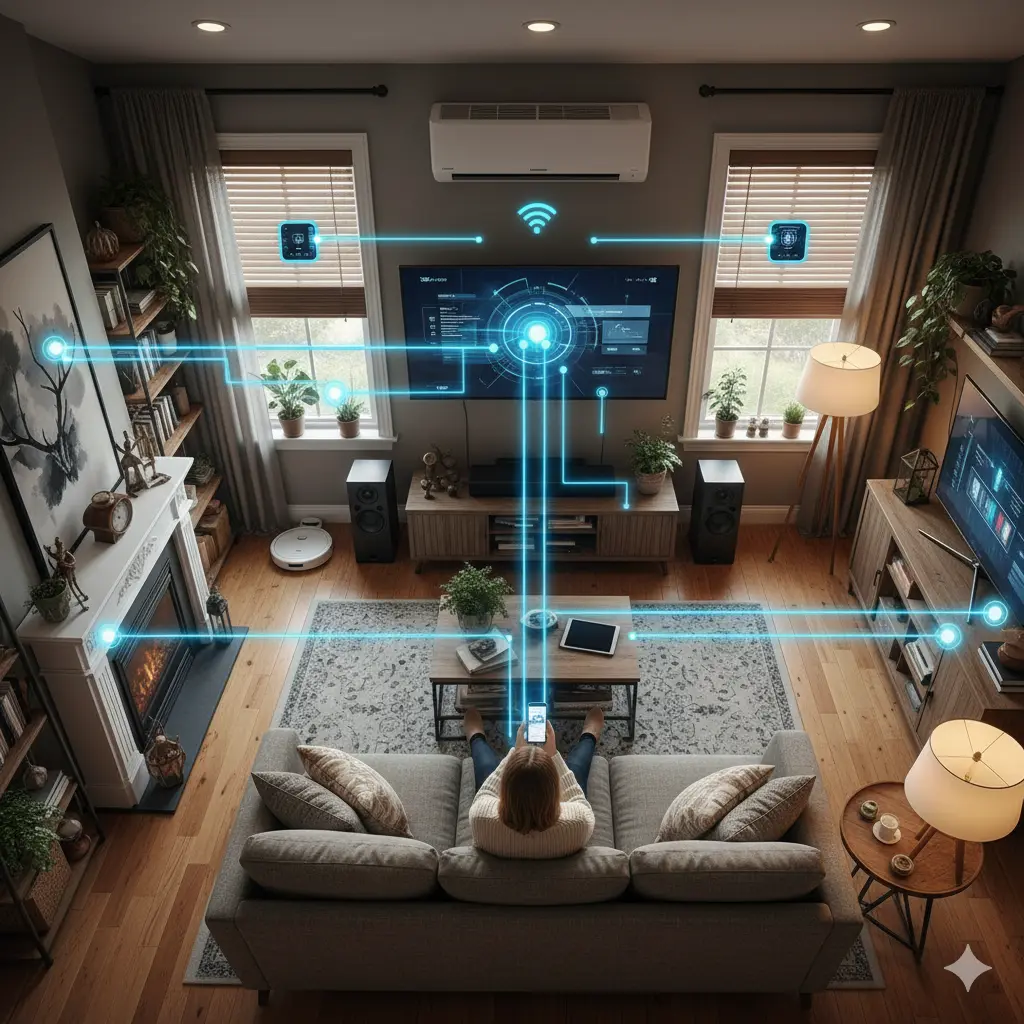
Smart home design has evolved from isolated gadgets to integrated ecosystems—lighting, security, HVAC, and entertainment all working together.
- Centralized control via apps or voice assistants (Alexa, Google Home).
- Smart thermostats and energy-saving devices that blend with interiors.
- Minimal wall clutter—fewer visible switches and panels.
A truly smart home today functions as an integrated ecosystem. Lighting, climate control, security, and entertainment systems work together in harmony, often managed from a single app or voice assistant. Gone are the days of cluttered walls with multiple switches—automation has allowed for clean surfaces, hidden sensors, and spaces that feel effortless. Design-forward smart homes incorporate recessed lighting that adapts to daylight, motorized blinds that move with the sun, and air-conditioning that learns the homeowner’s patterns.
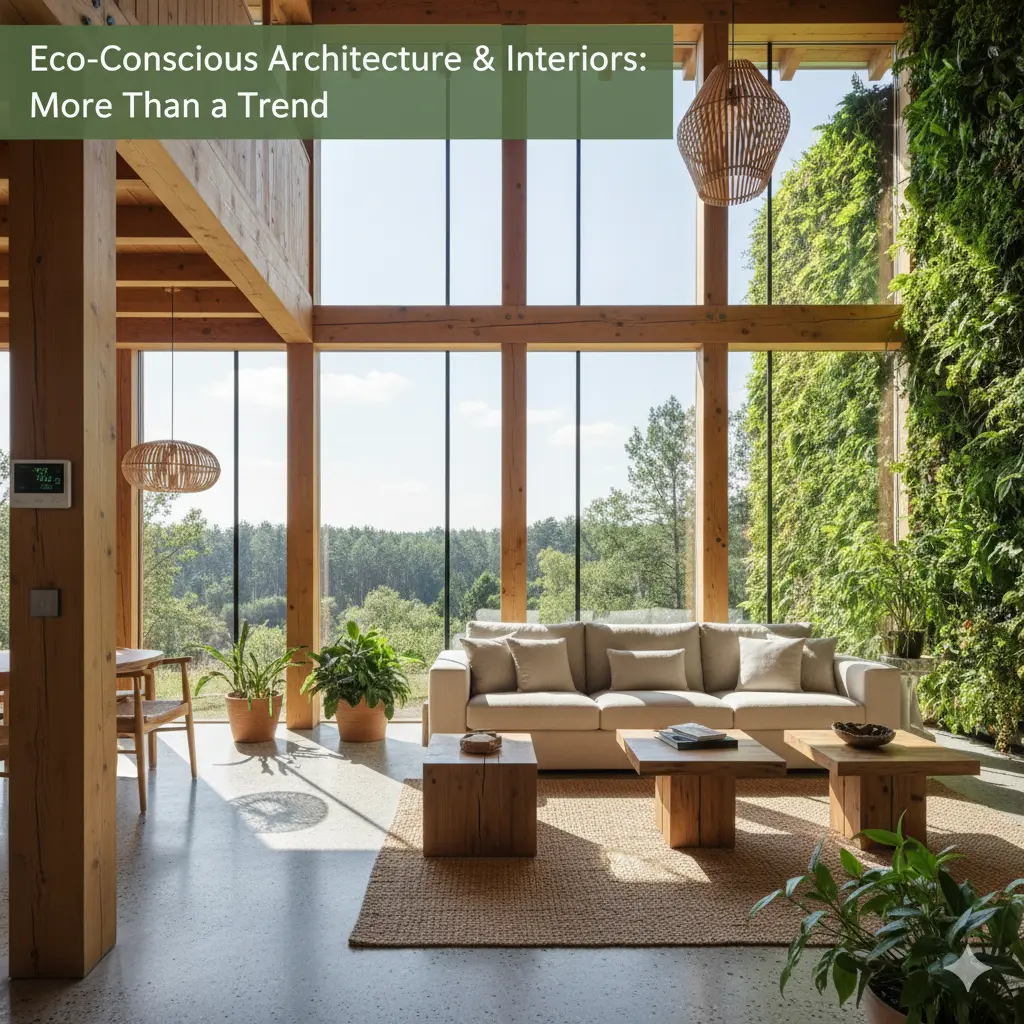
The key to balancing technology with design lies in subtlety. Designers are finding creative ways to “hide in plain sight”—using custom cabinetry to conceal devices, integrating speakers into the ceiling, and choosing finishes that soften the sleekness of tech. Warm woods, textured fabrics, and natural materials create balance and prevent homes from feeling sterile or overly futuristic. The result is a space where technology serves quietly in the background, enhancing comfort and sustainability without overwhelming the senses.
As technology evolves, it’s also essential to future-proof spaces. Design teams now plan wiring layouts and infrastructure that can adapt as systems update over time. Collaborating with automation experts early in the design process ensures that the home remains timeless both in appearance and function. Ultimately, the best smart homes are those where innovation feels invisible—spaces that are beautiful first, and intelligent second.